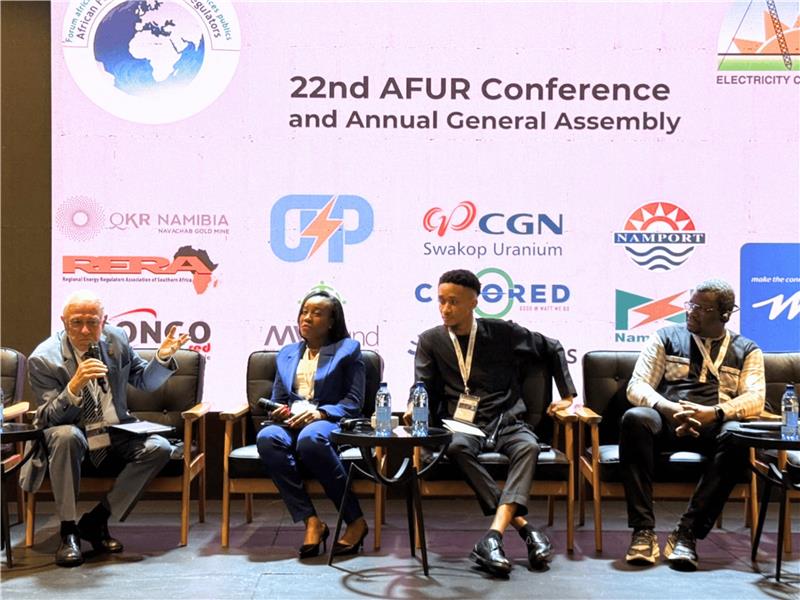

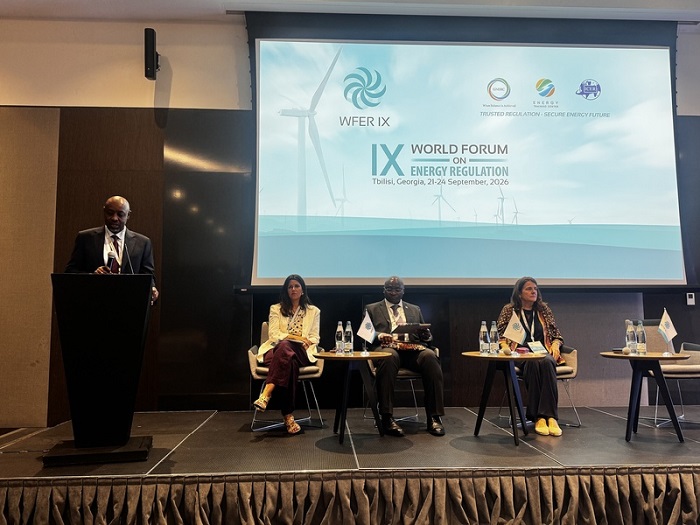
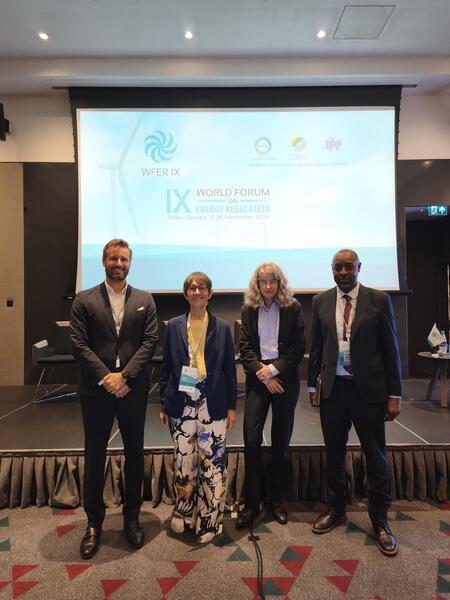
The African School of Regulation (ASR) brought African experience to discussions on fuel markets, infrastructure investment and women’s leadership at the World Forum on Energy Regulation (WFER IX). ASR Executive Director Dr. Abdulkadir Shettima and ASR Associate Eng. Carol A. Ofafa contributed to sessions examining how regulation can support a more reliable and inclusive energy transition.
Dr. Shettima joined discussions on fuel value chains and the regulatory frameworks needed to attract infrastructure investment. He emphasised that understanding fuel prices requires regulators to look across the value chain, including supply, transport, storage, taxation and market power. Greater transparency about how prices are formed and how infrastructure is accessed can help regulators identify where intervention is needed.
On infrastructure, the discussion addressed the balance between investing in networks and using flexibility measures such as storage and demand response. These measures can ease temporary constraints, but durable network shortfalls still require investment. Clear risk allocation and performance requirements are also important to securing infrastructure that delivers for consumers.
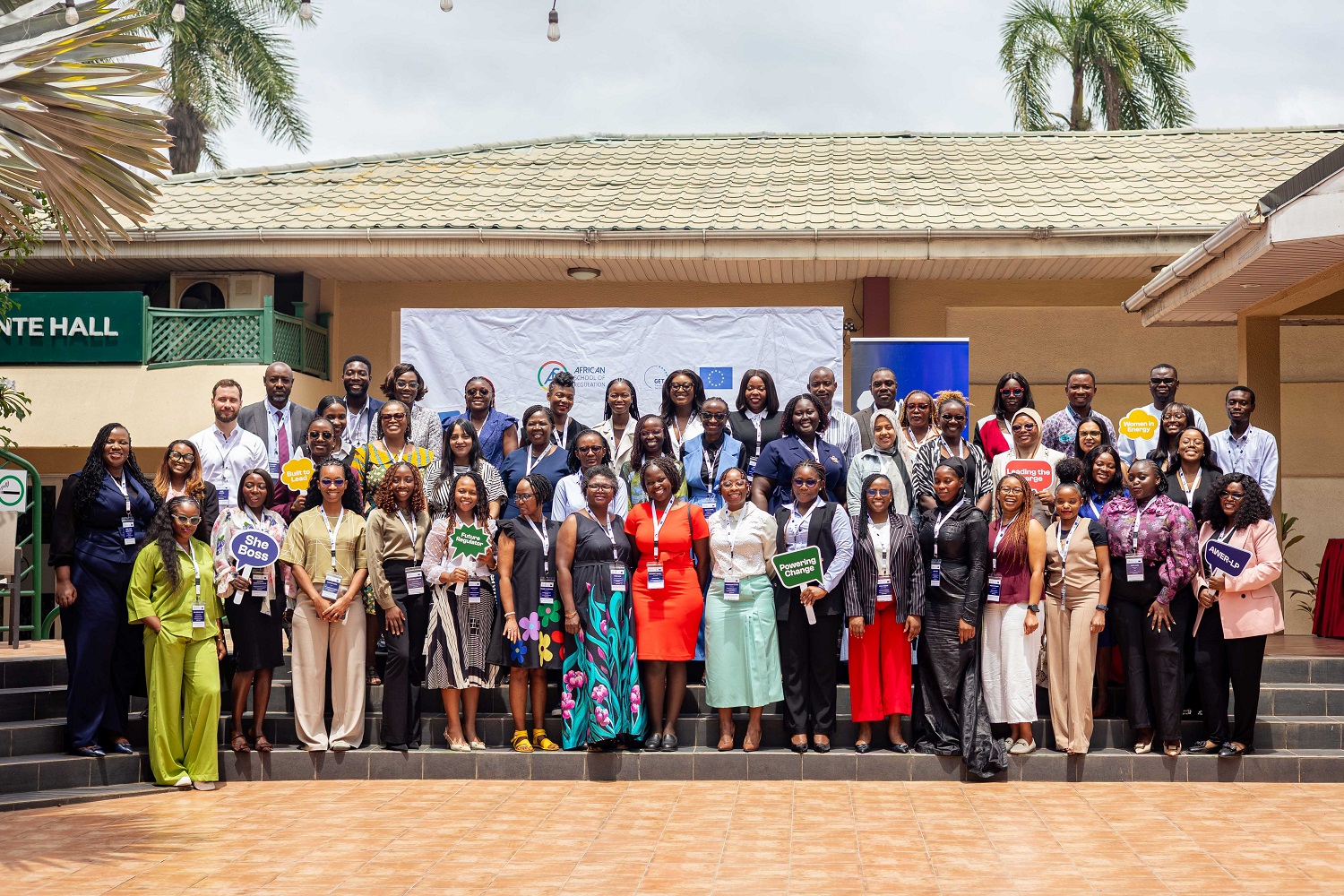
Eng. Ofafa contributed to a panel on women and young professionals in energy regulation. Drawing on ASR’s African Women in Energy Regulation Leadership Programme (AWER-LP), she shared how practical training, professional networks and support designed around barriers to participation can help women enter and advance in the sector.
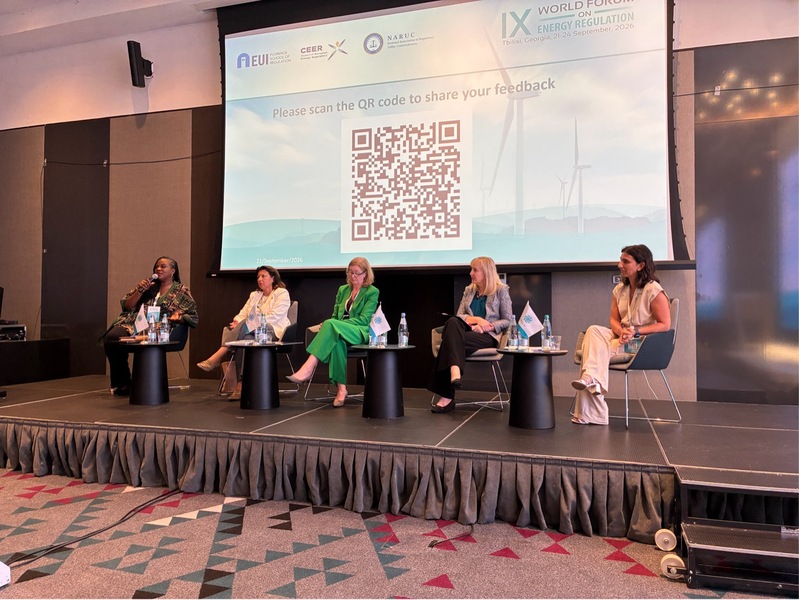
The programme’s early results offer evidence of that approach: six months after the first cohort, 89% of participants reported applying what they learned at work. The discussion also pointed to the need for better gender data across utilities, regulators and energy ministries so institutions can track representation and target support effectively.
ASR’s contributions connected global regulatory debates with practical priorities across Africa: more transparent markets, infrastructure that performs, and a wider pool of professionals equipped to lead the energy transition.